Dionne: Mastering the Art of Micro-Realism
South Korean tattoo artist Dionne explores micro-realism, chrome effects, and the delicate balance of light, shadow, and detail in her Vancouver-based work.

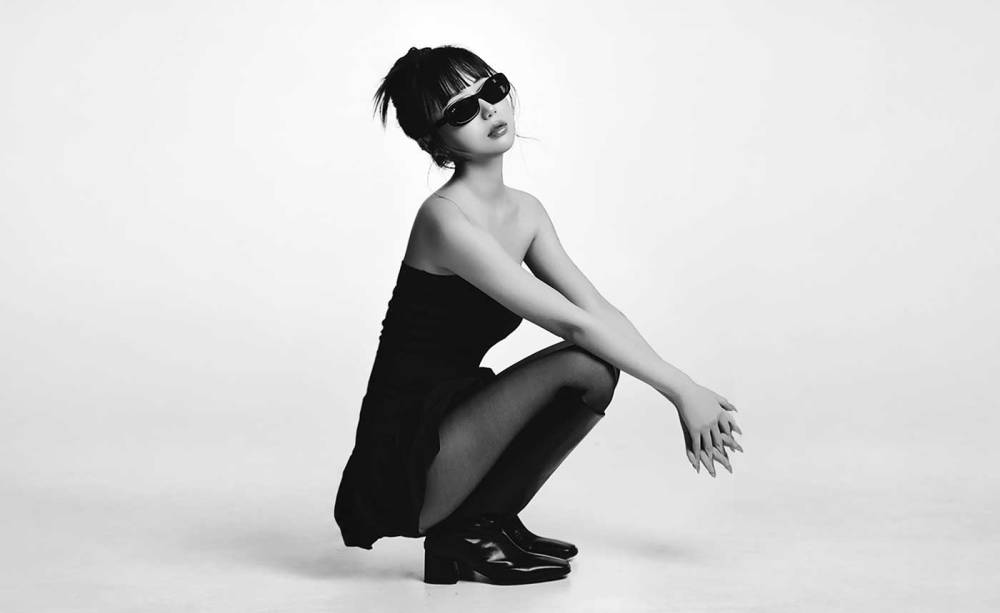
Originally from South Korea and now based in Vancouver, Dionne is a tattoo artist specializing in micro-realism and chrome-style tattoos. She turns everyday objects, animals and unexpected subjects into lifelike miniature compositions, capturing the interplay of light, shadow and texture at a scale where every line counts.
Dionne studied art from a young age, but it was during high school in Canada that she became fascinated by tattoos as a form of personal expression. She returned to South Korea to begin her career in Busan, where years of experimentation and steady practice shaped her artistic identity, before eventually settling in Vancouver.
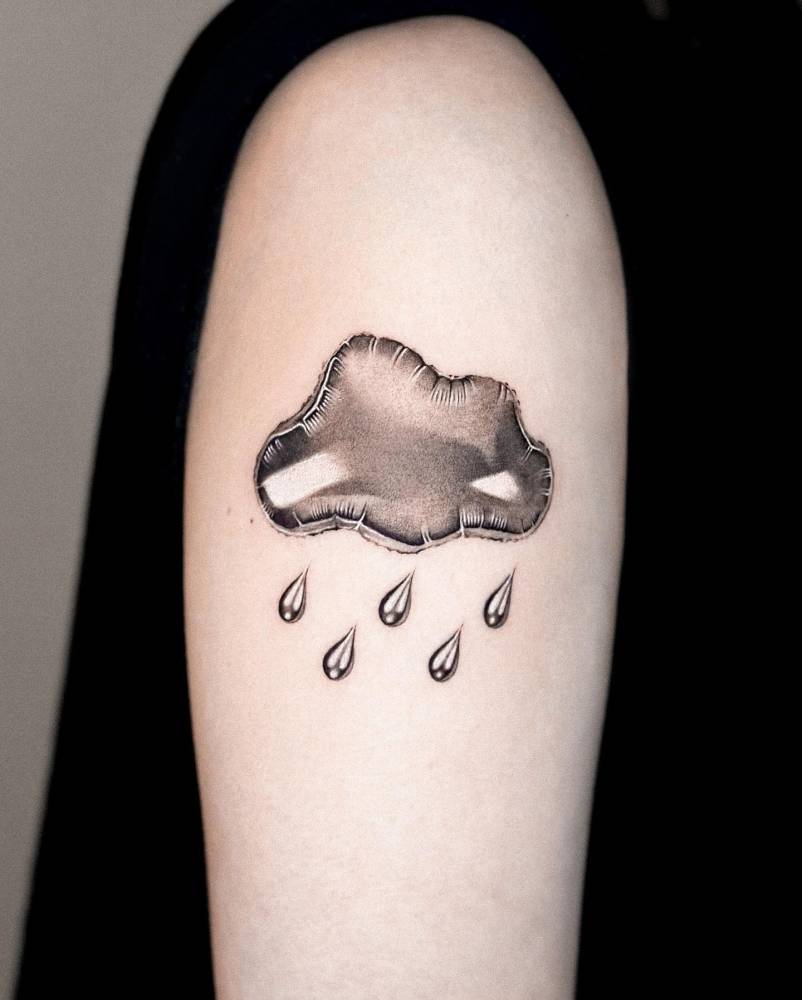
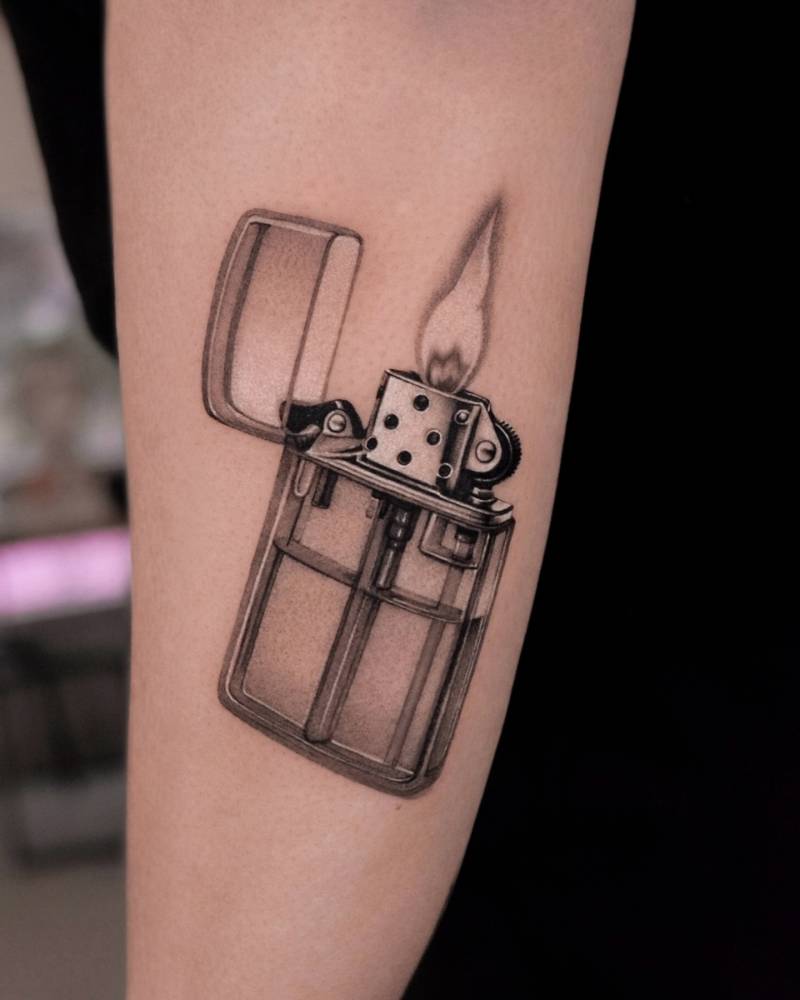
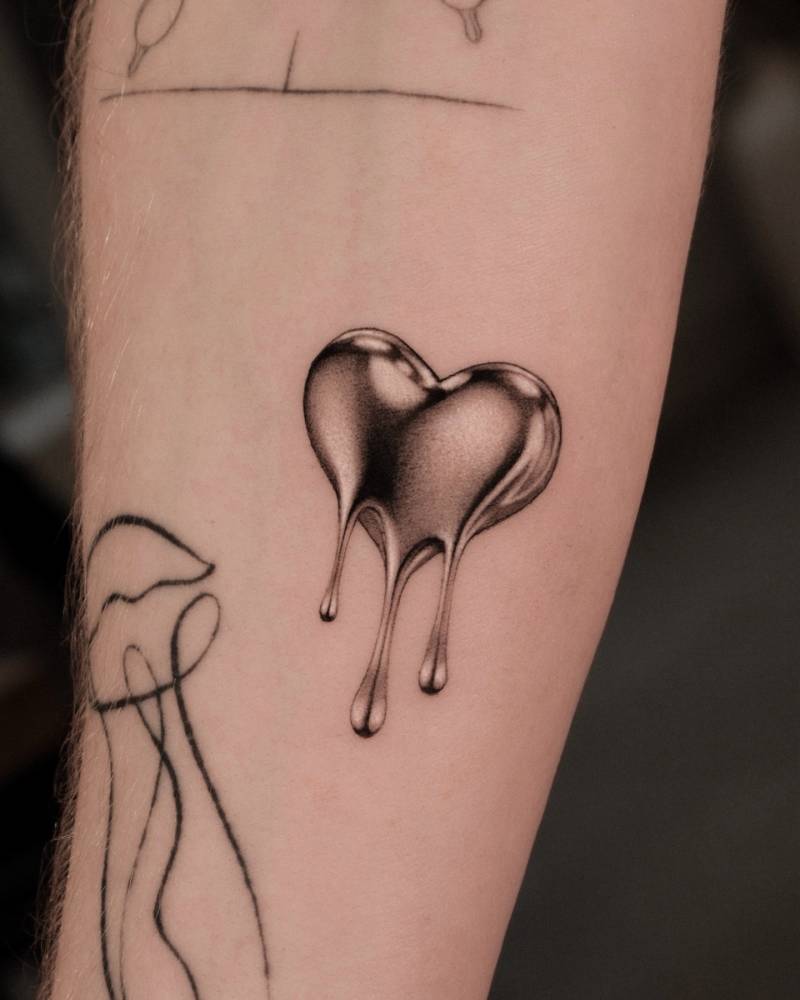
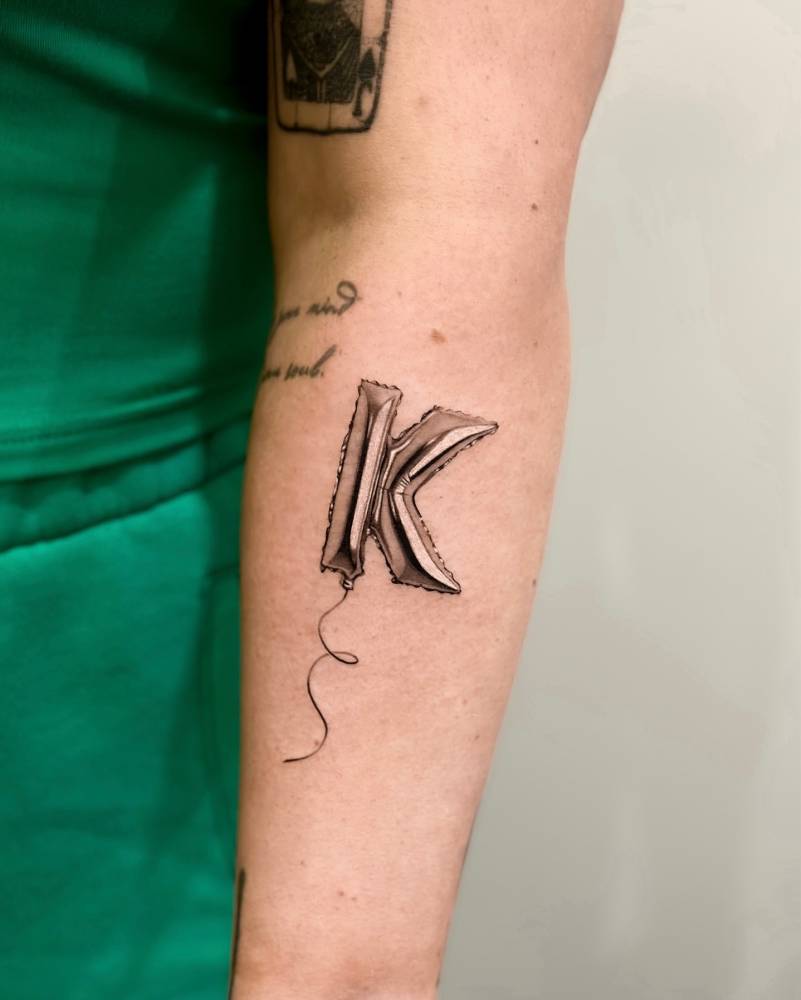
Her early work focused on packing in as much detail as possible. Today her priorities are composition, contrast and natural depth, because knowing which details to leave out matters as much as knowing which ones to include. Nowhere is this clearer than in her chrome tattoos, where carefully placed highlights and shadows create the illusion of reflective metal using almost nothing but black and grey ink.
Her standard for realism doesn’t end when a tattoo is finished. Fine detail at this scale can soften as skin heals, so Dionne studies her healed work closely and adjusts her technique to make sure even her smallest pieces stay clear and striking for years.
In this interview, Dionne talks about moving between South Korea and Canada, finding her own style, the techniques behind her chrome work, and why she keeps refining her craft long after a tattoo has healed.
Your work from four years ago was already remarkably detailed, but your recent tattoos show an extraordinary level of refinement. What has changed most in your technique over those years, and was there a particular breakthrough that took your work to the next level?
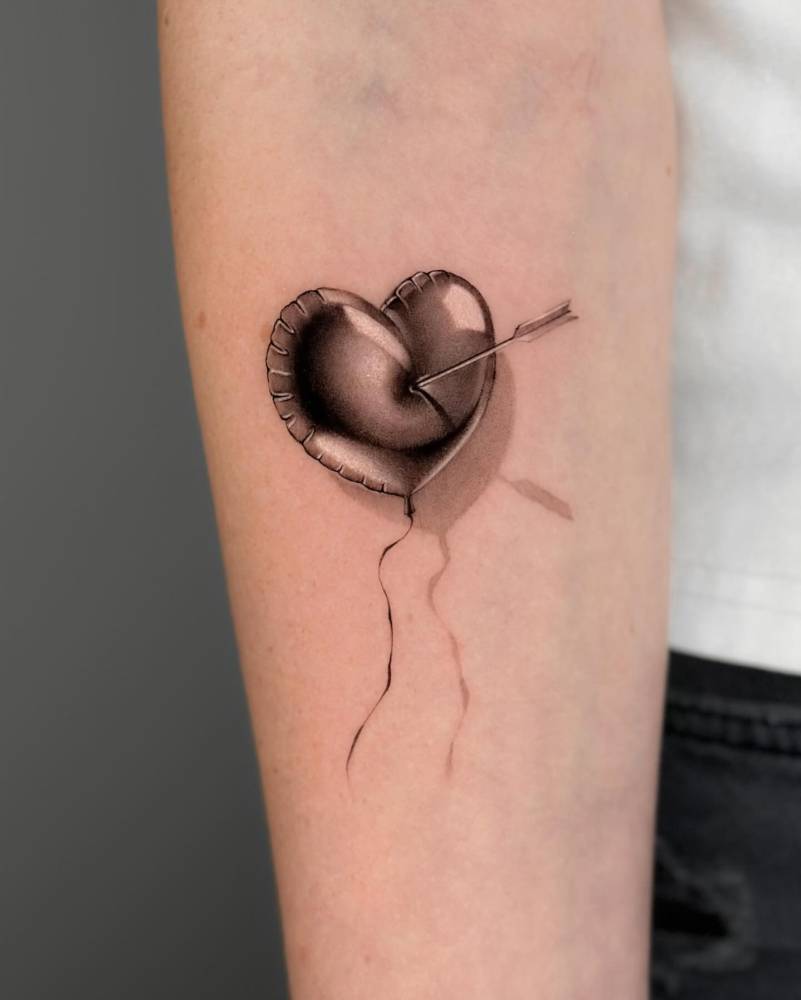
In the past, I focused on capturing as much detail as possible, but now I place greater importance on the balance of light and shadow. I've come to realize that overall harmony and natural depth are more important than simply including more details.
Over the years, I've improved my ability to control lighting and textures, even in very small designs, to make them appear as realistic as possible. Rather than experiencing one particular breakthrough, I believe my progress has come naturally through consistent practice and a wide range of experiences.
Micro-realism requires an exceptional level of precision, especially when working on such a small scale. What do you consider the most technically challenging aspect of this style?
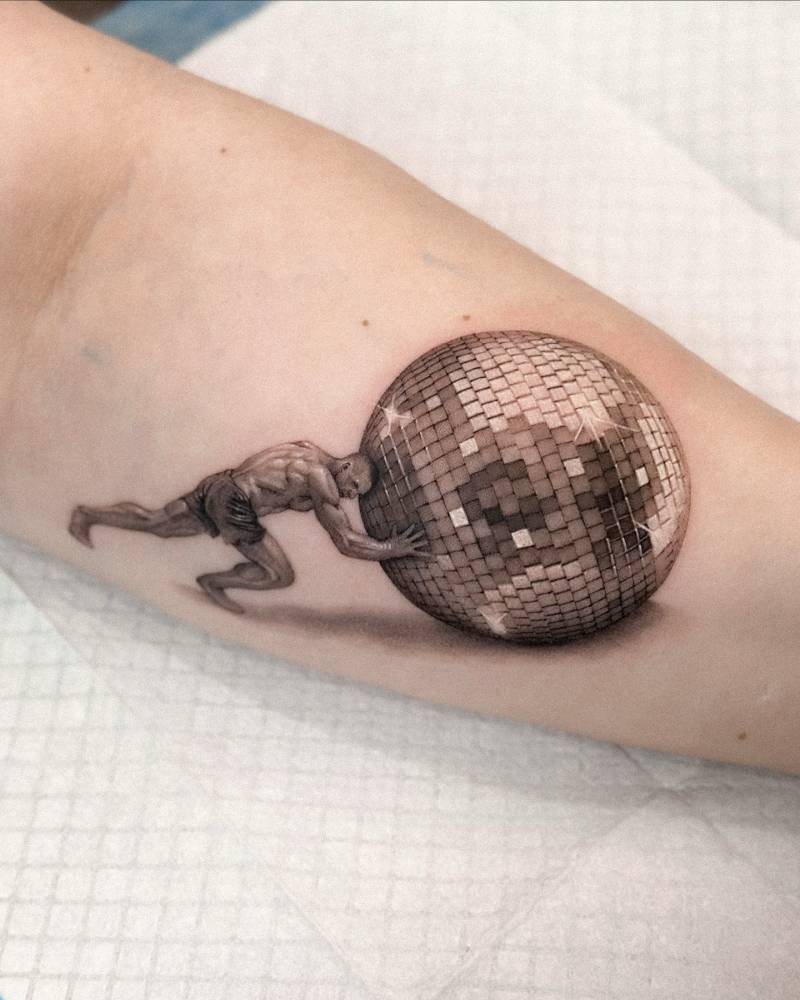
The most challenging aspect is capturing realistic details within a limited space while ensuring the tattoo maintains its clarity over time.
Unlike paper, skin changes over time, and ink can naturally spread as the tattoo ages. This means it's not always possible to include every tiny detail.
Knowing which details to emphasize and which to simplify is essential. My priority is to maintain clear shapes and natural depth, even in the smallest designs.
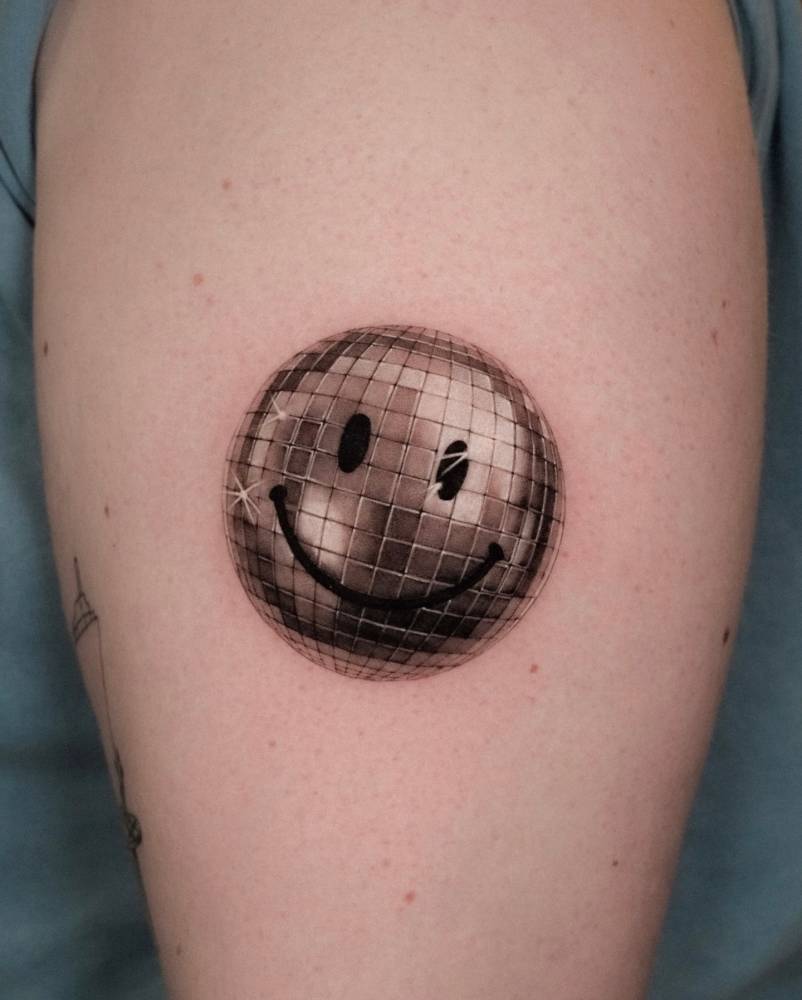
You've developed a particular talent for chrome-style tattoos, recreating metallic surfaces and reflections on skin. What first attracted you to this aesthetic, and how did you develop the technique to make these objects appear three-dimensional?
I've always been fascinated by the reflective surfaces and shiny textures of metal. I find it especially interesting that I can create the illusion of realistic metallic objects using only black and grey ink.
For chrome-style tattoos, strong contrast and precise highlight placement are essential to creating a three-dimensional appearance.
By studying how light interacts with different metallic surfaces and continuously practicing, I've gradually developed my own approach. I'm still exploring ways to make these textures look even more natural and realistic.

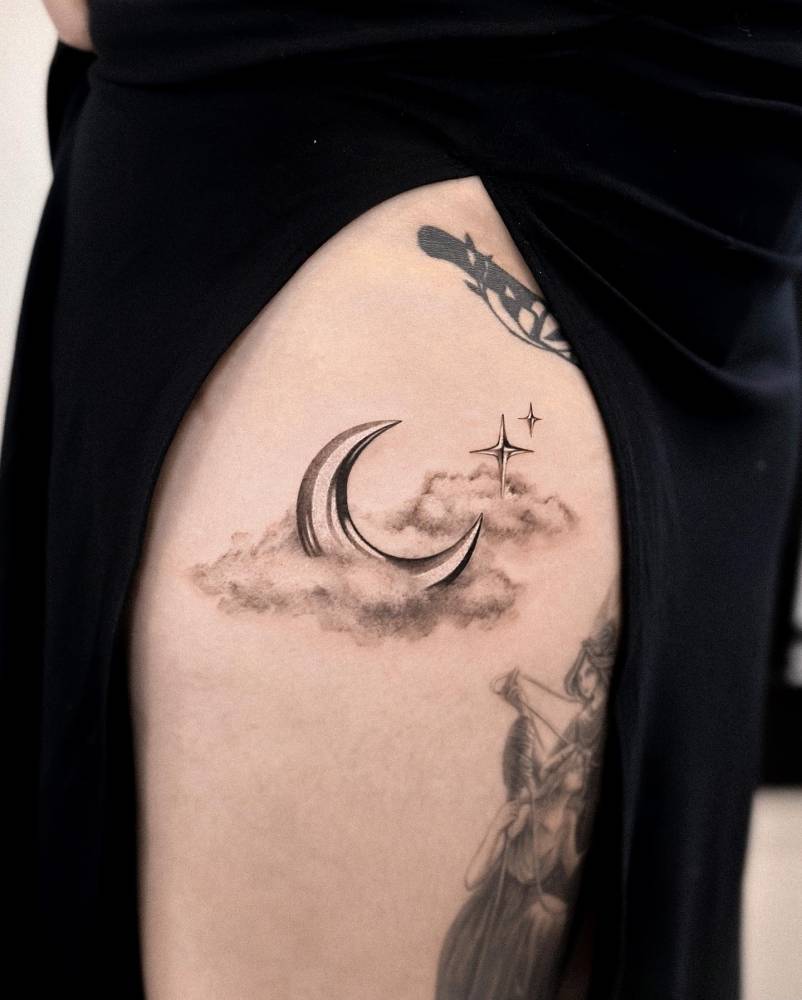
Your portfolio includes everything from realistic animals to everyday objects and imaginative subjects. How do you decide what to tattoo? Are most of your designs inspired by your own interests, or do clients introduce you to unexpected ideas?
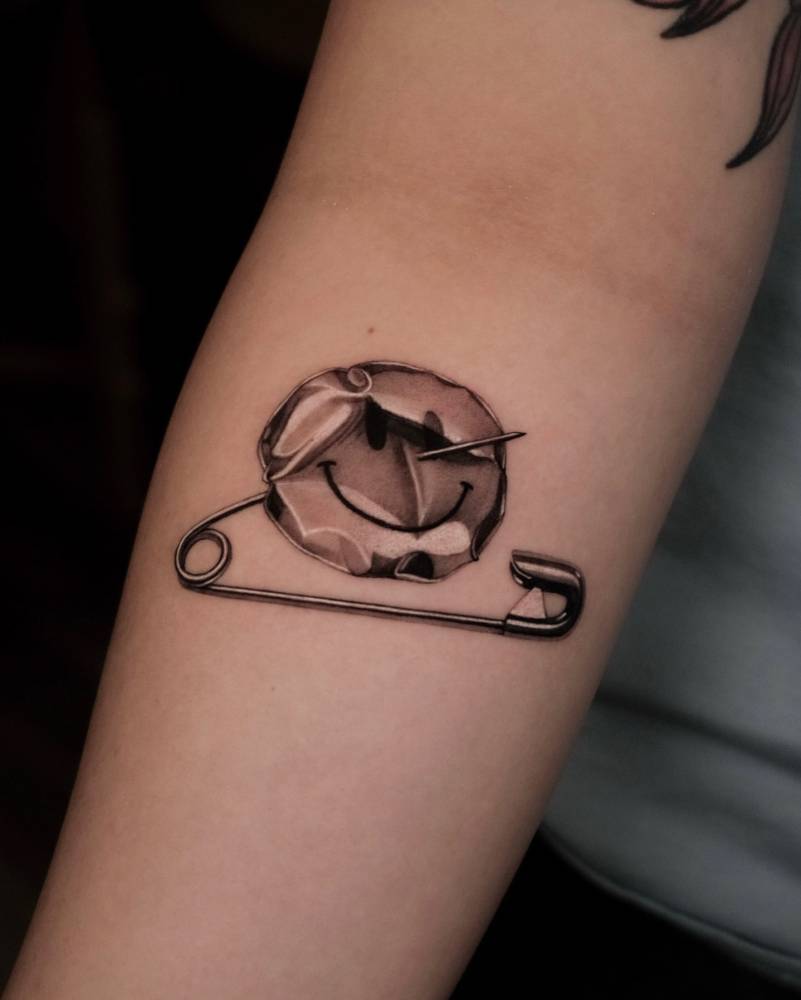
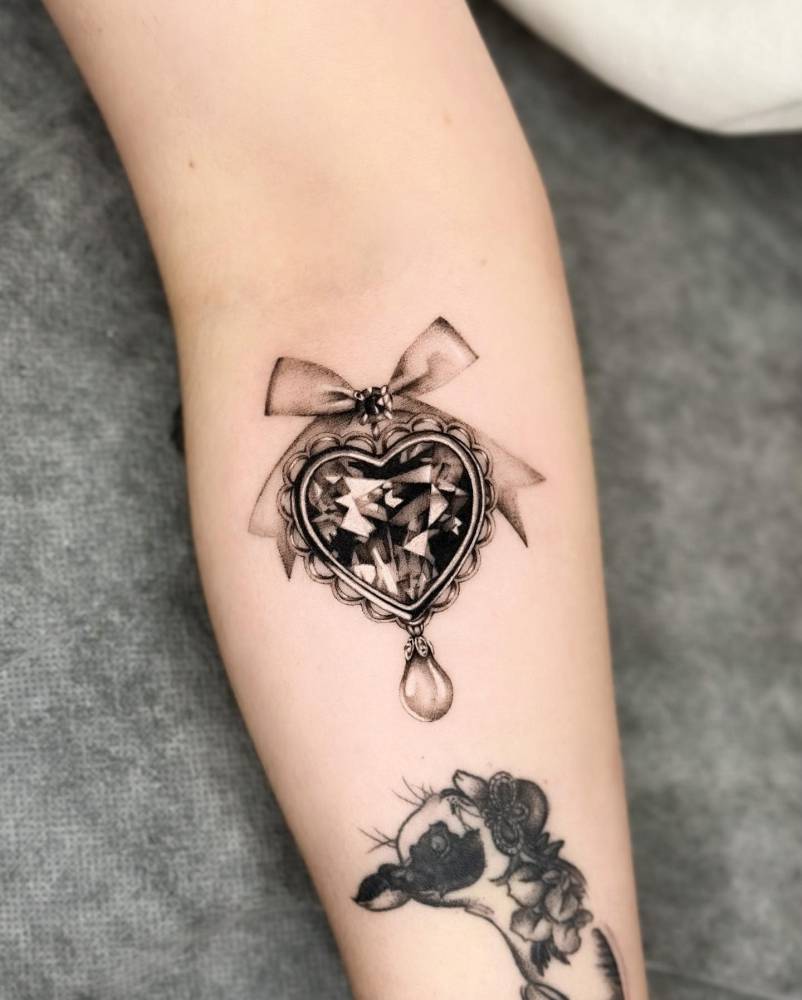
I find inspiration in everyday objects that people might normally overlook. I especially enjoy recreating materials with interesting textures, such as transparent objects and reflective metals.
I also like incorporating elements such as smiley faces into my designs to express positive and playful emotions.
At the same time, my clients often bring personal stories and unexpected ideas that inspire me in new ways. I really enjoy taking those ideas and interpreting them through my own artistic style.
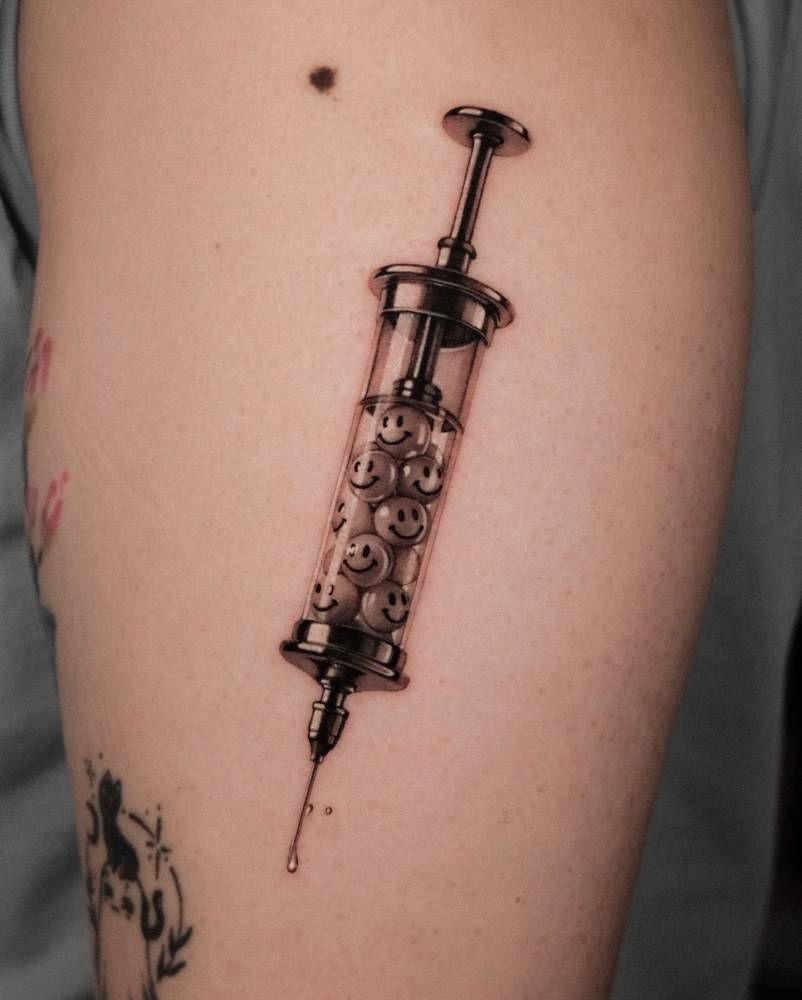
Many realism tattoo artists eventually move toward larger compositions, where they have more space to develop details. Do you enjoy the challenge of working at a miniature scale, or would you like to explore larger projects?
I genuinely enjoy the challenge of creating highly detailed and realistic tattoos on a small scale. Working within a limited space requires a great deal of precision, concentration, and technical control.
However, I also appreciate larger projects because they allow for more complex compositions and greater depth.
For me, the most important thing isn't the size of the tattoo, but achieving the best possible result for each design. I'd love to continue developing my micro-realism while also exploring larger-scale projects.
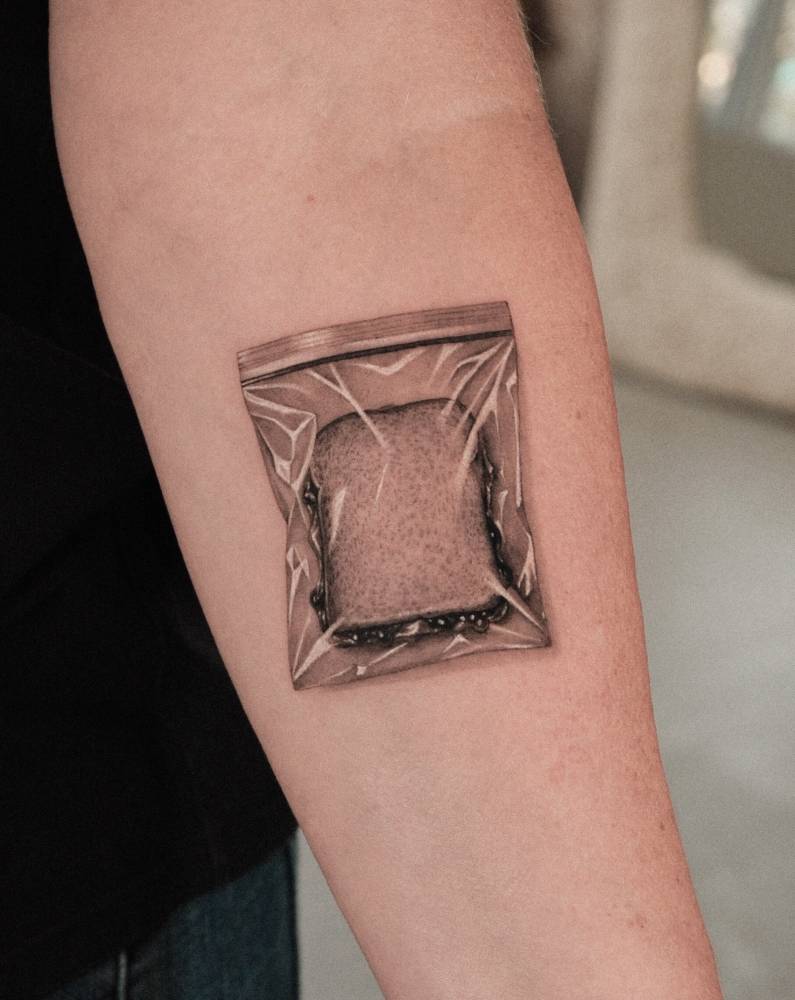
You share healed tattoos on Instagram, something particularly valuable for evaluating micro-realism. How has observing your work after months or years influenced your approach to contrast, shading, and the amount of detail you include?
I believe a tattoo's quality should be evaluated not only when it's freshly done, but also after it has healed and aged.
This is especially important in micro-realism, where even the smallest details can change over time. Observing healed tattoos has helped me better understand how contrast softens and fine details can become less defined.
As a result, I've become more conscious of leaving enough negative space and creating stronger contrast where necessary. I now consider long-term clarity and durability from the very beginning of the design process.
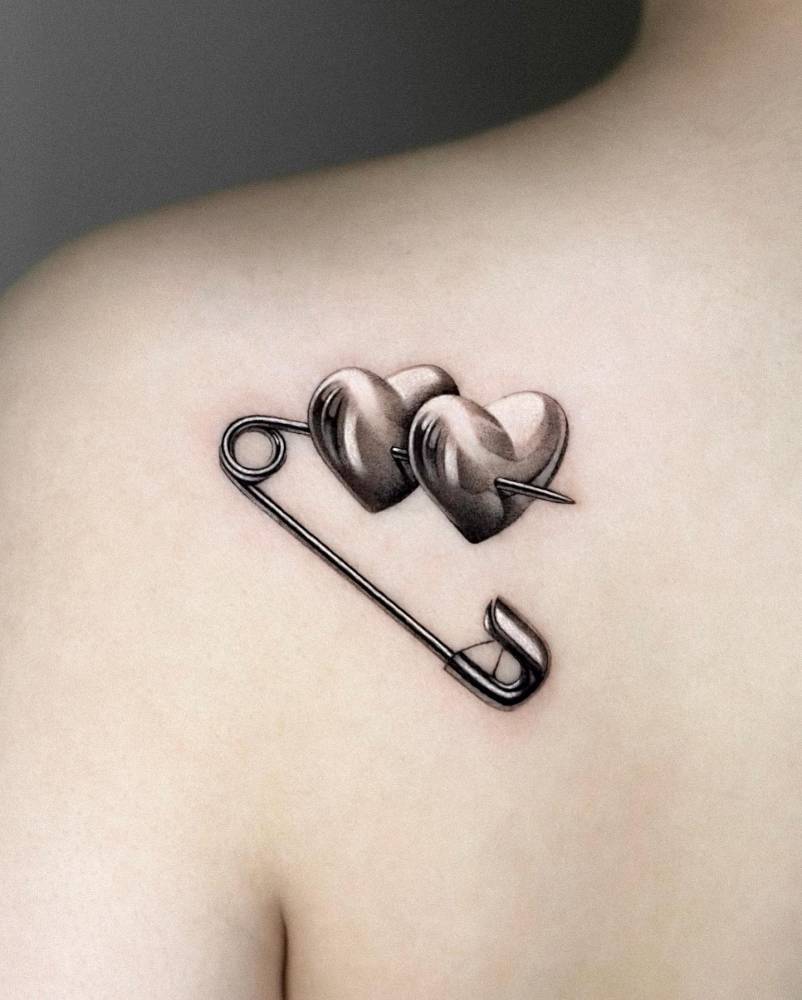
Your tattoos are almost exclusively black and grey, occasionally incorporating subtle touches of color. Is this a deliberate artistic choice, or do you simply feel more comfortable working in monochrome? Have you ever considered exploring full-color realism?
Black and grey is the style I've always been most drawn to and have spent the most time developing.
I love how much depth, texture, and realism can be achieved using only light and shadow, without relying on multiple colors.
This is especially effective when creating reflective metals or transparent objects, where contrast plays such an important role.
I'm also interested in color tattoos and occasionally incorporate color when it complements a design. For now, my main focus is continuing to refine my black-and-grey style while remaining open to exploring new techniques in the future.
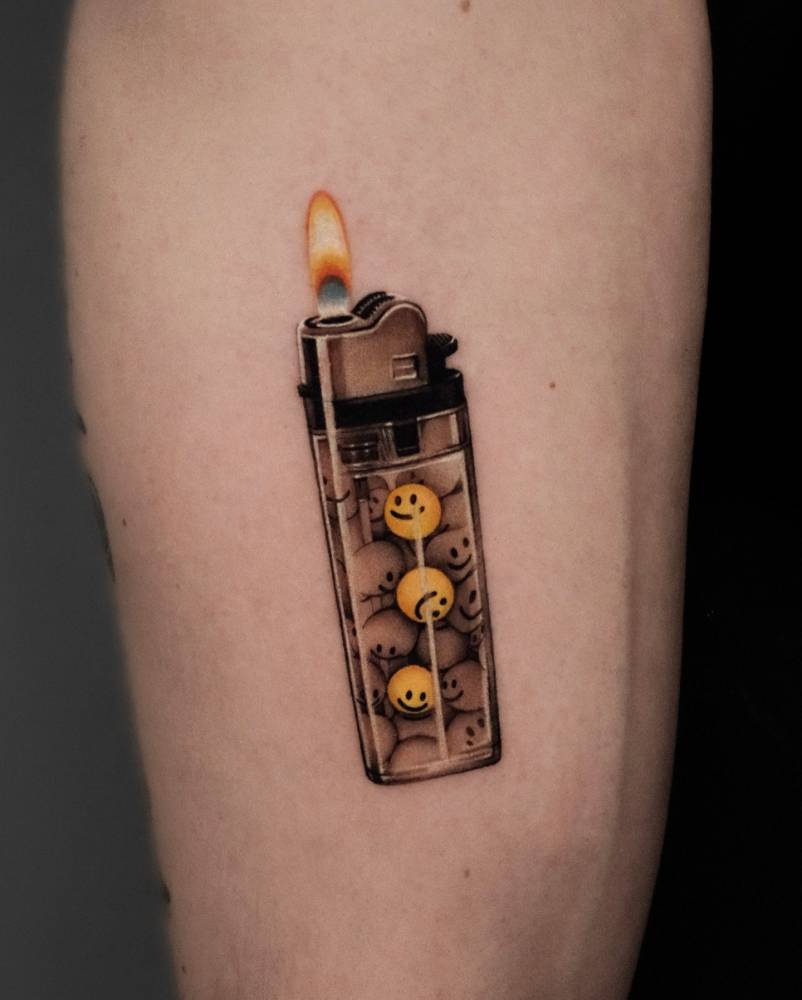
Your Instagram features a selection of available flash designs. Do you prefer the creative freedom of designing your own flash, or the challenge of translating a client's personal idea into a realistic tattoo?
I enjoy both because they offer different kinds of creative satisfaction.
Flash designs give me the freedom to explore my own ideas, choose subjects I find interesting, and express my personal artistic style.
Custom designs, on the other hand, allow me to work with meaningful stories and ideas that clients bring to me.
Rather than simply recreating their references, I enjoy developing those concepts into something that reflects both their vision and my artistic approach. Both types of work inspire me and help me grow as an artist.
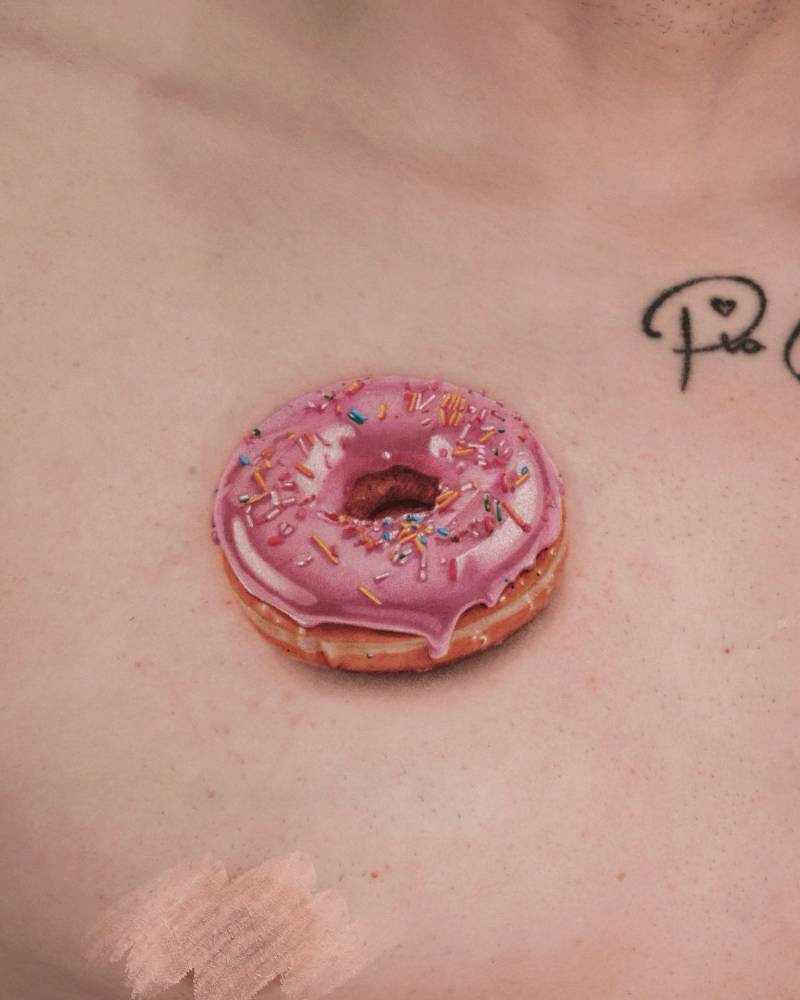
You originally come from South Korea and are now based in Vancouver. How has working in these different cultural environments influenced your artistic development? Have you noticed differences in the designs or styles clients request?
Working in both South Korea and Canada has helped broaden my artistic perspective.
From my experience, clients in Korea often focus more on visually beautiful and delicate designs, while clients in Canada tend to place greater importance on personal meaning, individual stories, and originality.
Working with people from different cultural backgrounds has introduced me to new subjects and creative ideas that I might not have explored otherwise.
These experiences have helped me approach designs with a more open mind and have positively influenced the development of my own artistic style.
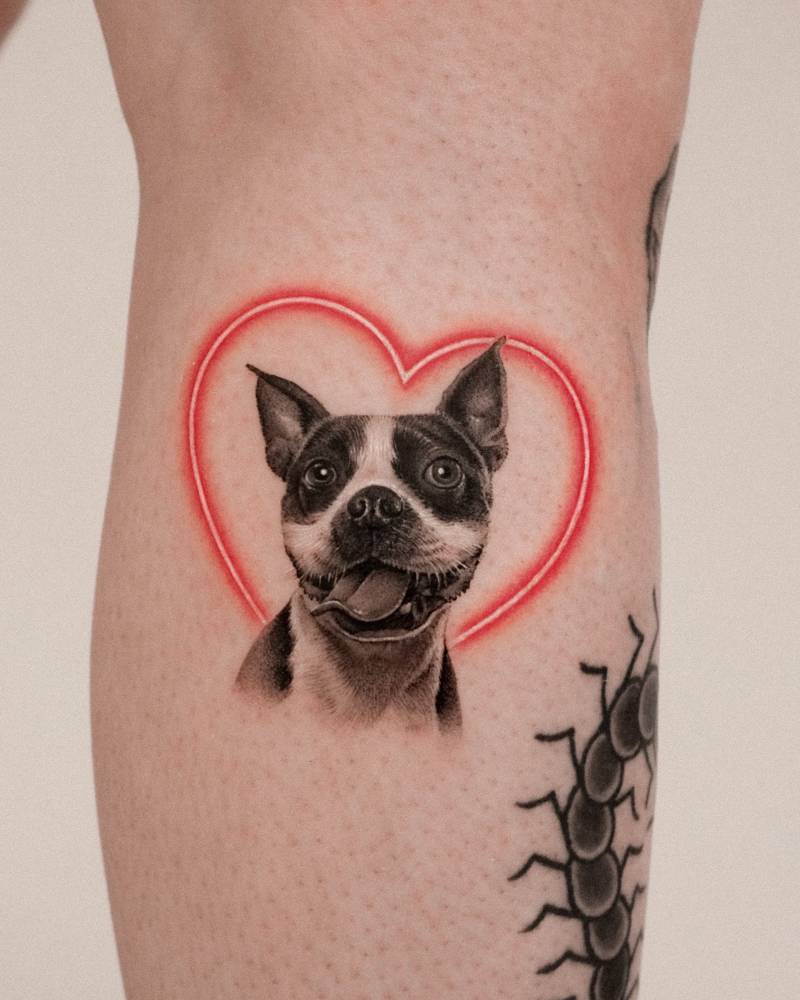
Your technical skills have evolved considerably, and your work already demonstrates an impressive level of realism. What aspects of tattooing do you still want to master? Are there particular techniques, subjects, or artistic directions you're eager to explore?
I want to continue improving my ability to create even more natural and refined realism.
I'm particularly interested in developing more advanced techniques for capturing light reflections and the unique textures of different materials.
One of my ongoing goals is to achieve an even greater sense of depth and realism within small-scale tattoos.
I'd also like to explore new subjects and more complex compositions that I haven't worked with before. Rather than becoming comfortable with my current abilities, I want to keep learning and challenging myself as an artist.
Your work today is exceptionally refined, but reaching that level of precision must require countless hours of practice. Are you naturally patient and meticulous, or is that something tattooing has taught you?
I've always been a very detail-oriented person, and I naturally have perfectionist tendencies.
I tend to pay close attention to even the smallest details and put a lot of effort into achieving results that I'm personally satisfied with.
Tattooing has definitely strengthened these qualities over time. In micro-realism, even the smallest adjustment can make a significant difference to the final result, so patience and concentration are essential.
Although striving for perfection can sometimes be challenging, I believe this part of my personality has played an important role in shaping the precision and refinement of my work.
How did your journey into tattooing begin? Did you have a background in drawing or other artistic disciplines, or was tattooing your first serious encounter with art?
I've loved drawing since I was young, and I studied art while attending an arts high school in South Korea.
Later, I moved to Canada and attended high school there, where I was introduced to a different culture and new forms of artistic expression.
During that time, I became fascinated by how tattoos were embraced as a form of personal identity, creativity, and self-expression.
I was especially drawn to the idea of turning artwork into something permanent on someone's skin, rather than simply creating it on paper.
That experience inspired me to pursue tattooing, and when I returned to South Korea, I began my tattoo career in Busan.
When you first started tattooing, did you already know you wanted to specialize in micro-realism, or did your style develop gradually as you experimented with different techniques?
I didn't initially plan to specialize in micro-realism.
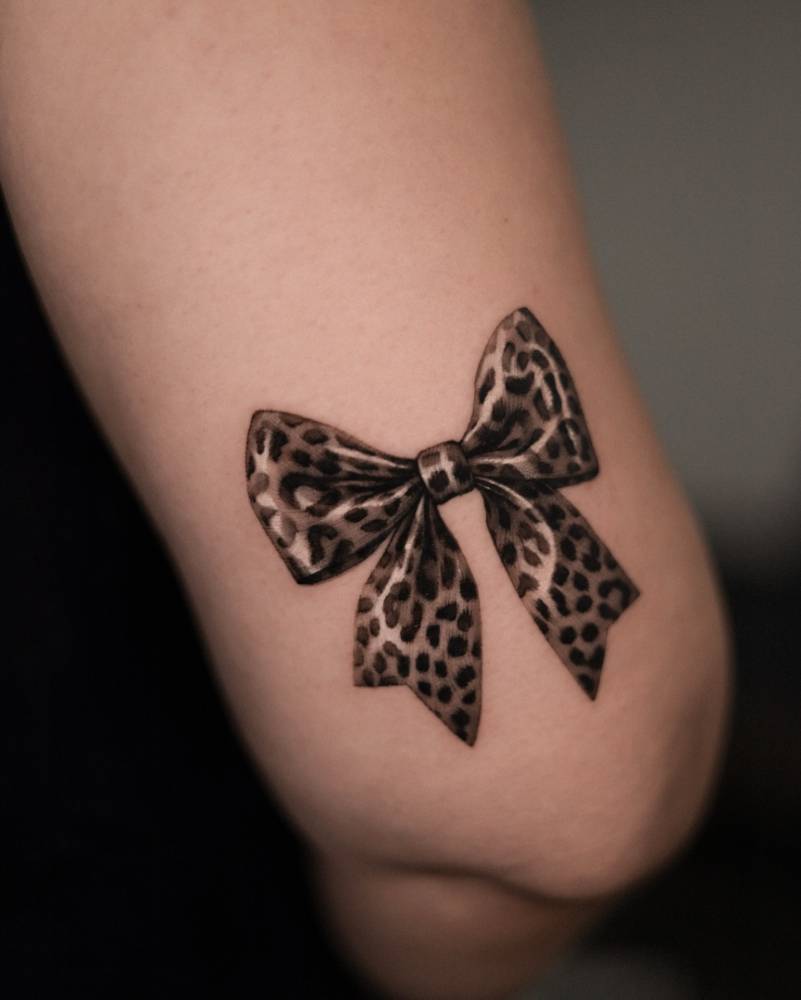
As I explored different techniques and styles, I gradually discovered that I was most interested in recreating real objects and their textures as accurately as possible.
I loved the idea of making an object look as though it had been placed directly onto the skin.
Over time, I became increasingly interested in achieving that level of realism within smaller designs. That process naturally led me toward micro-realism and helped shape the style I work in today.
You were born in South Korea but are now based in Vancouver. What motivated you to move to Canada? Was it primarily a personal decision, or were you looking for new opportunities as a tattoo artist?
My decision to move to Canada came from a desire to experience a new environment, explore different cultures, and broaden my perspective.
I felt that stepping outside of a familiar environment would be an important opportunity for personal growth.
Living in Canada has allowed me to meet clients from many different backgrounds, which has naturally created new opportunities for me as a tattoo artist.
Being exposed to different cultures, ideas, and artistic preferences has also expanded the way I approach my work.
Looking back, moving to Canada has been a meaningful experience for both my personal development and my artistic career.
Were there any tattoo artists whose work particularly inspired you when you were starting out? And did you learn through a traditional apprenticeship, under a mentor, or largely through independent practice?
Rather than being influenced by one particular artist, I've always found inspiration in the work of many different tattoo artists.
I enjoy observing their individual techniques, creative approaches, and the unique ways they express realism.
However, I've always believed that developing my own artistic identity is more important than simply following someone else's style.
Through continuous practice, experimentation, and hands-on experience, I've worked to develop techniques that feel natural to me and reflect my own artistic vision.
Even now, I continue studying different approaches and exploring new ways to refine my personal style.
Looking back at your journey, what has been the most difficult period of your career, and what helped you overcome it?
I think the most challenging period was when I first started tattooing and was still trying to discover my own artistic identity.
At that time, it took a lot of practice, experimentation, and trial and error to reach the level of quality I wanted to achieve.
One of the biggest challenges was improving my technical skills while also developing a style that felt unique and personal to me.
However, by continuing to practice and explore different approaches, I gradually became more confident in my work and established my own artistic direction.
Today, I feel much more comfortable with my style and have a clearer understanding of what I want to express through my tattoos. Looking back, those early challenges were an essential part of my growth as an artist.