How Painful Is a Finger Tattoo?
Tattoo artists explain why fingers tattoos are particularly prone to pain.

Fingers are small, bony, and packed with nerve endings, so it makes sense to wonder how much a tattoo there will hurt. Pain tolerance varies a lot from person to person, so no one can give an exact answer. Still, there’s a general pattern: finger tattoos tend to hurt more than tattoos on most other parts of the body. The good news is that they’re usually over quickly.
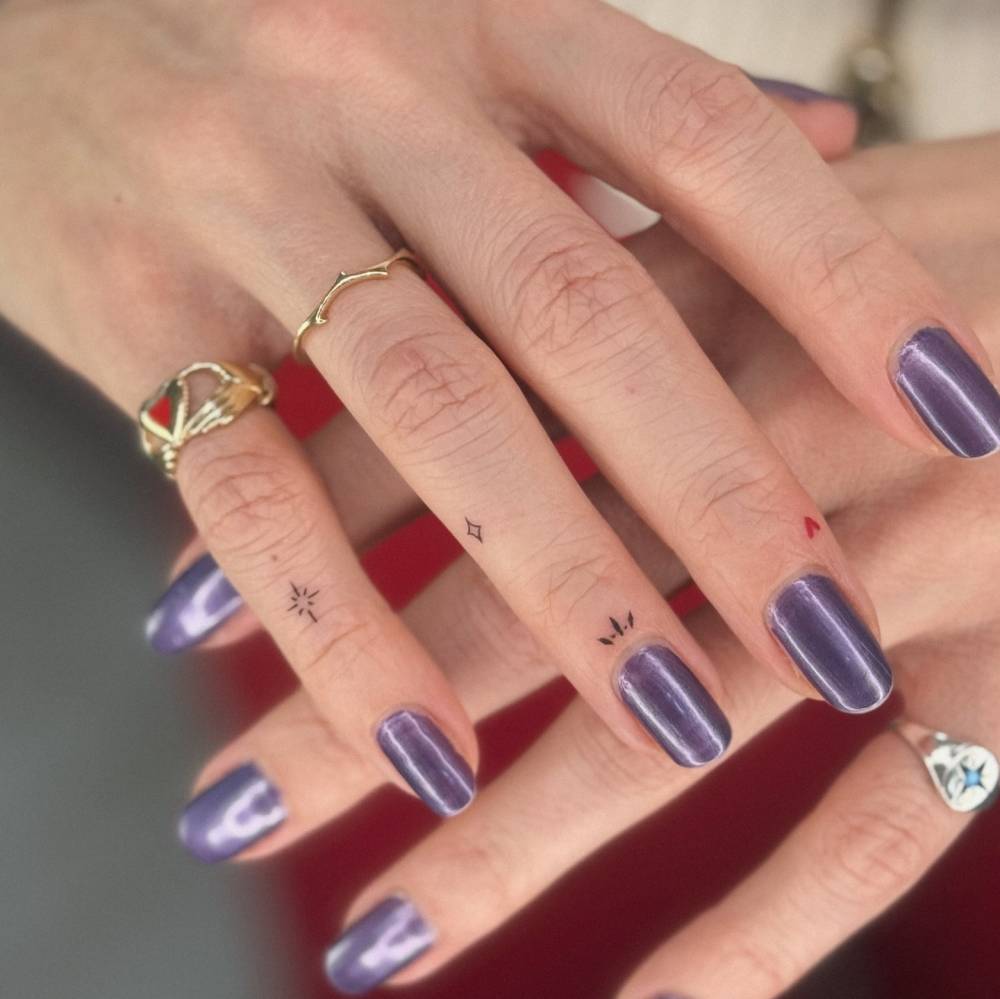
Why do finger tattoos hurt more?
On fleshier areas like the upper arm, thigh, or calf, fat and muscle sit between the skin and the bone and cushion the needle. Fingers have almost none of that padding. The skin sits close to bone and is full of sensory nerves, so the needle is felt more directly. People often describe the feeling as sharp or pinching rather than the dull, scratchy sensation of other areas.
On the usual pain scales, fingers sit near the top alongside the ribs, feet, ankles, and spine. They’re generally considered more painful than the forearm or shoulder, but many people find them easier to handle than a large rib or foot piece. That’s because of how long the session lasts.
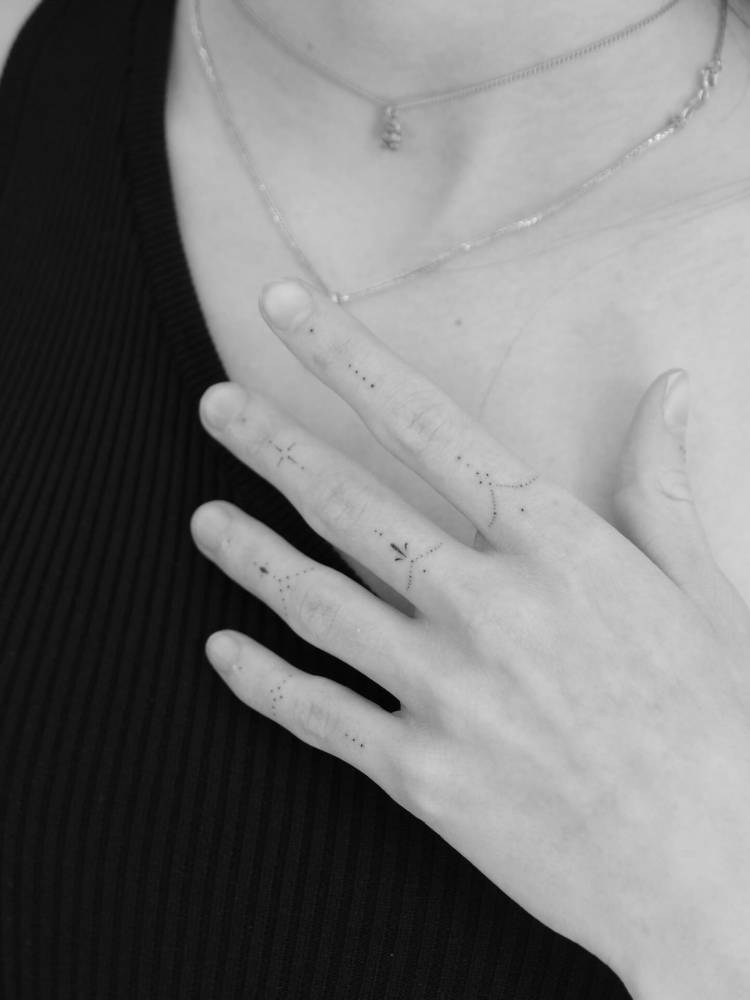
The upside: they’re quick
Most finger tattoos are small, often a single word, a symbol, or a band. That means the session is short, and the most intense part may last only a few minutes. Fingers are also fairly easy to work on. The skin is naturally taut, and the hand can be repositioned easily, so the artist can reach every side of the finger without much trouble. Less time under the needle means less time spent with the discomfort.
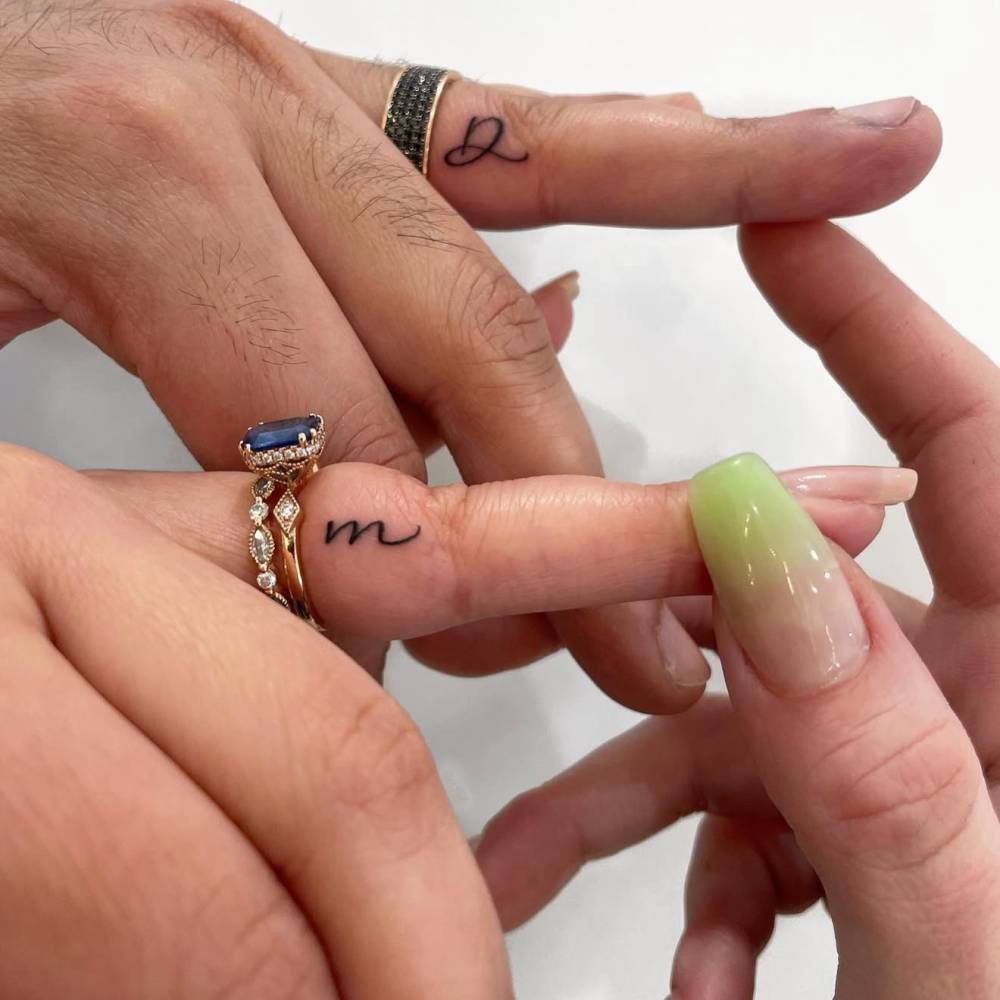
Which part of the finger hurts most?
Even on such a small area, the pain varies. The closer the tattoo is to the nail, the more intense it usually feels. The knuckles are another sensitive spot because the bone sits right under the skin with nothing to soften the impact. The sides of the fingers and the area between the knuckles tend to be somewhat more manageable.
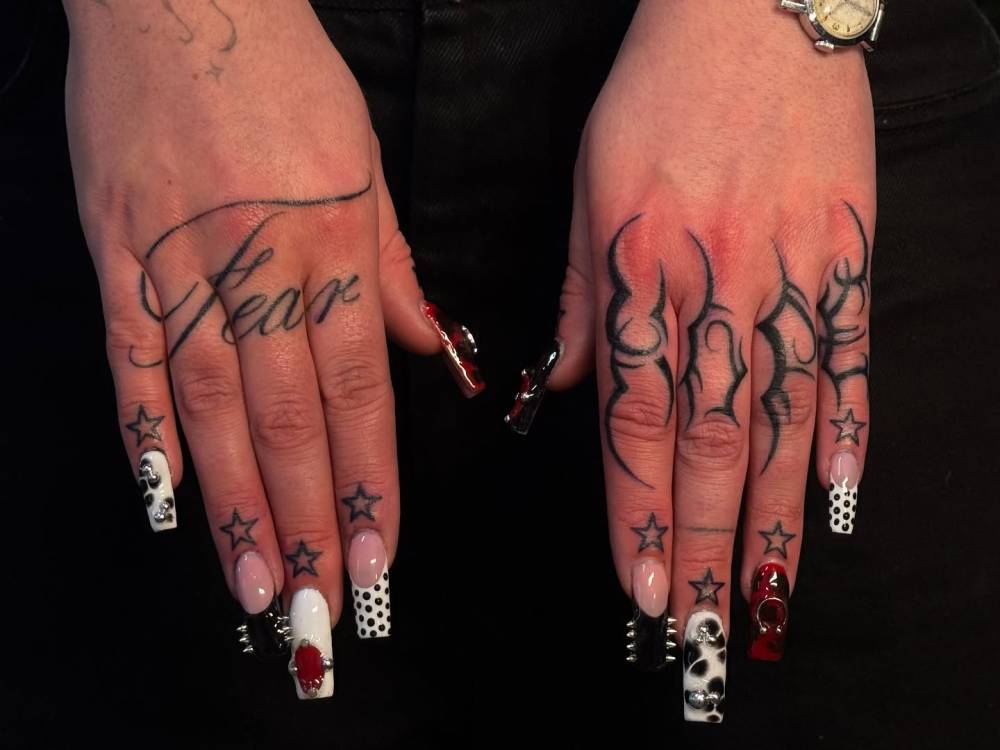

How to make a finger tattoo less painful
You’ll feel at least some discomfort, but a few simple habits can make a real difference:
- Breathe steadily. Slow, deep breaths help your body relax, and tensing up usually makes pain feel worse. Letting yourself settle into the process tends to work better than fighting the sensation.
- Eat and sleep well beforehand. Getting tattooed takes more out of you than you might expect. Arrive rested, have a proper meal, and stay hydrated.
- Skip the alcohol. Drinking before your appointment can increase bleeding, which makes the artist’s job harder and can stretch the session out.
- Take breaks if you need them. Even short sessions can include a pause. Just ask.
- Distract yourself. Chewing gum or candy, listening to music, or chatting with your artist or a friend can take your mind off the needle. If you’d like to bring someone along, check with the studio first.
- Ask about numbing cream in advance. If your pain threshold is low, talk to your artist before the appointment. Not every artist is comfortable working over numbing products, and those who are can recommend one and explain how to apply it.
Consider a hand-poke tattoo
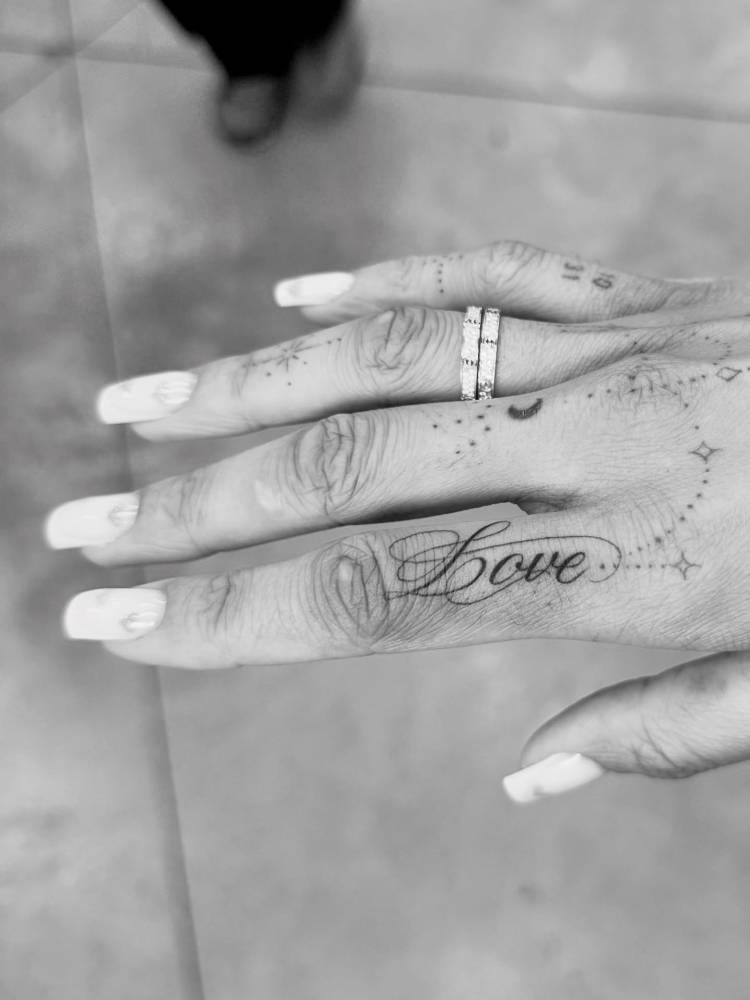
If you’re nervous about the pain, a hand-poke tattoo can be a great option for fingers. Instead of a machine, the artist uses a single needle to place each dot of ink by hand. Many people find this gentler than a machine. There’s no constant buzzing or vibration traveling through the bone, and the needle usually works the skin less aggressively, so the sensation feels more like a series of small pricks than a continuous sharp line. The gentler technique can also mean less swelling and redness afterward. Hand poke suits the small, simple designs that work best on fingers anyway, like fine lines, dots, tiny symbols, and minimal lettering. The trade-off is time. A hand-poke tattoo takes longer than a machine tattoo of the same size, although for a small finger piece the difference is often only a few extra minutes. Finger tattoos can still fade with any technique, so choose an artist who has done hand-poke work on fingers before.
Try it first with a temporary tattoo
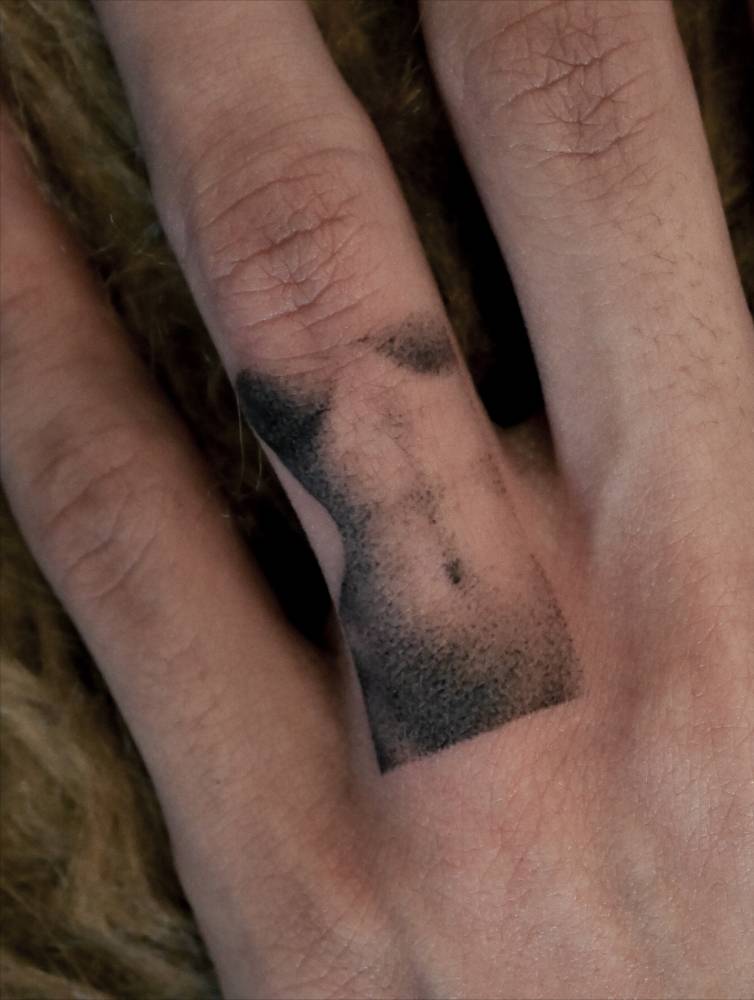
Before you commit, a temporary tattoo is an easy way to test your design. Fingers are a very visible spot, and a design that looks great on paper can feel different once it’s on your hand. A temporary version lets you check the size and placement, see how it looks with rings or next to other tattoos, and get used to seeing it every day at work, in photos, and when you shake someone’s hand. You can print your own design on temporary tattoo paper or ask your artist for a stencil to test. Temporary tattoos wear off quickly on fingers because of all the handwashing and friction, but even a day or two is usually enough to know whether you love the design.
One more thing to know
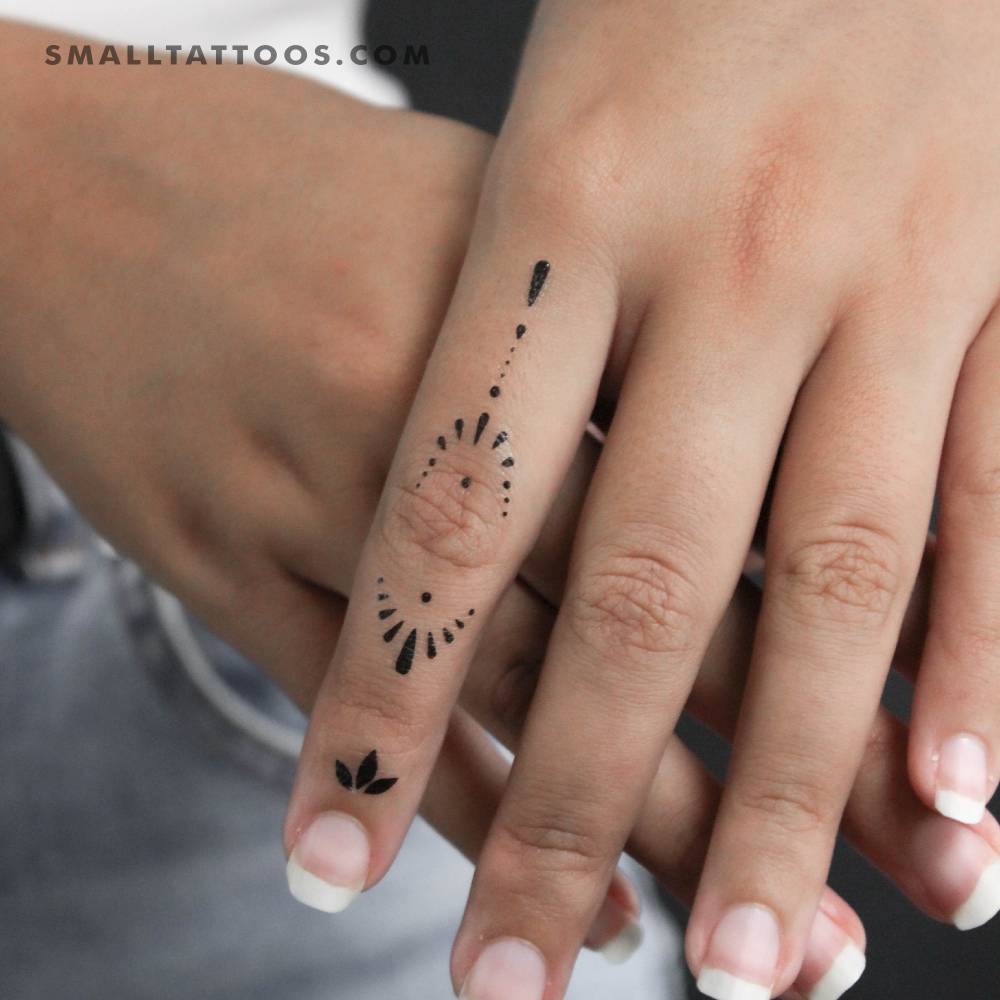
Finger tattoos are known for fading and blurring faster than tattoos elsewhere. The skin on your hands regenerates quickly and deals with constant friction from washing, gripping, and everyday use. Ink on the sides and palm side of the fingers is especially prone to fading. Many people need a touch-up within the first year, so it’s worth factoring that in alongside the pain.
View this post on Instagram
If you liked our post, “How Painful is a Finger Tattoo?”, check out Know Your Facts About Finger Tattoos Before Jumping On To The Bandwagon
